
Unlock the Full Power of Salesforce Revenue Cloud Product Catalog Management
Your product catalog is the foundation of your CPQ and order lifecycle. Our Salesforce Product Catalog Management Design Service ensures it's built for speed, scalability, and success. Whether you're starting fresh or migrating from legacy data, we design a clean, efficient catalog aligned with Salesforce best practices—so you can launch products faster, simplify pricing, and reduce technical debt.
Don’t let catalog chaos slow you down. Let’s build it right the first time
PCM Design Service Benefits
Alignment with Business Goals
We align your product catalog structure with your specific go-to-market strategy, pricing models, and customer segments to maximize impact.

Revenue Cloud Expert
Stratus Carta brings deep, hands-on experience with EPC Deisgn, ensuring best practices are applied to your product catalog design.
Optimization for Performance
We always prioritize application performance in our work. With our extensive experience, we ensure optimal catalog design to enhance application performance.
Future-Ready Architecture
Our team ensures your catalog is designed to support future needs, including new product introductions, bundling, and evolving promotion strategies.
Improved Maintainability
We simplify and standardize product definitions, attributes, and rules to make ongoing catalog maintenance easier for your internal teams

Upskill Your Team
At Stratus Carta, we don't just deliver solutions—we empower your teams to own and extend them
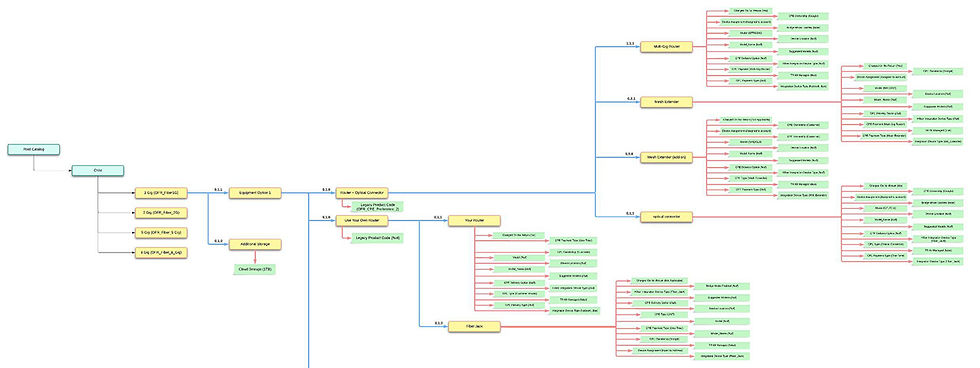
Step 1 - Product Modeling Design
Our CPQ Architects will collaborate with your team to transform business cases into a product catalog design that aligns with and fulfills your business needs.
Step 2 - Proof Of Concept
Building on the initial design, our team will develop the product model using best practices and fully leveraging the capabilities of Salesforce PCM.

Step 3 - Knowledge Transfer
Our team will conduct workshops with your Product Architects and developers to present our product modeling approach, hand over design documentation, and walk through the configured products in the system—empowering your team to apply the same approach and design patterns to model additional products.